Inkling 2 Mini: a layer-looping model that runs on a laptop
A laptop in airplane mode still built a playable flight simulator
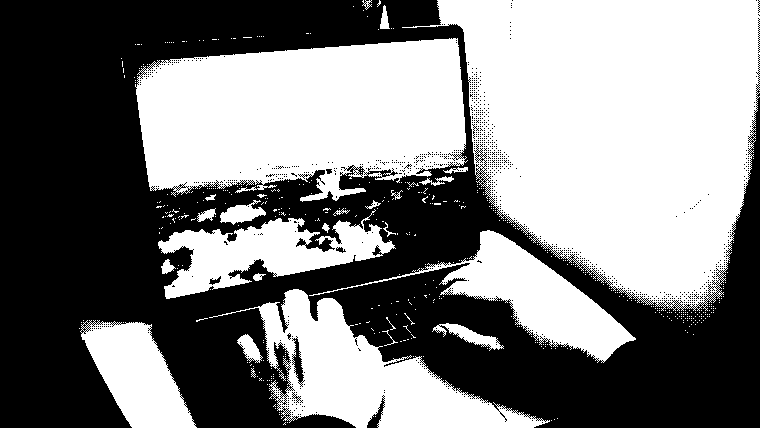
With the network off and airplane mode on, a laptop still built a playable flight simulator in just a few minutes. That was the demo of Inkling 2 Mini, an open-weights model Thinking Machines Lab released on Nov 20.
The difference is in the architecture. Instead of running each layer once, the model runs the middle blocks three times for every token, reasoning more deeply with fewer tokens. The team also pruned two-thirds of the experts so the model is small enough for personal machines.
Three numbers
- 20GB01Memory needed
Trained natively in 4-bit, so it fits a consumer laptop
- 48.2%02DeepSWE v1.1 score
Highest among open models under 100B parameters
- 37seconds03No-CoT time horizon
Up from 16 seconds at one pass, with three passes
The model has 26.4 billion parameters, activates only 3.4 billion at a time, and takes about 20GB of memory because it was trained natively in 4-bit precision. On DeepSWE v1.1, a coding benchmark, it solves 48.2% of tasks, the highest among open models under 100 billion parameters. In the research version, the length of work it can do without writing out reasoning rose from 16 to 37 seconds with three passes.
In our view, this shows small models can compete in coding while still running locally. But looping adds no knowledge, and the source says the model trails Qwen3.8-27B in multi-turn conversation. The team has not seen reasoning monitorability drop at this scale. Will layer looping become a common direction for AI on personal machines?
Why it matters
- Small model leads open coding benchmarks
- Better reasoning, but no added knowledge
- Reasoning monitorability needs more study
Will layer looping become standard for on-device AI?
- ✓20 GB:
The total memory footprint of Inkling 2 Mini is ~20GB
- ✓48.2 %:
DeepSWE v1.1 (48.2%)
- ✓37 giây:
rises from 16 seconds at one pass to 37 seconds at three
Story and video compiled by AI from the source above, with an AI voice. Figures are checked automatically against the original.